AGP Executive Report
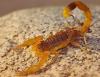
Last update: 5 hours agoOutbreak Readiness: Paraguay joined regional experts in Puerto Rico this week to shape guidance for spotting emerging respiratory viruses sooner, with a focus on sharing signals and coordinating human and animal health responses. Scorpion Alert: Health authorities reported more than 785 scorpion incidents by Oct. 16 and urged caution as warm, humid weather increases encounters, especially at night. Healthcare Workers’ Wellbeing: A PAHO survey on medical and nursing staff mental health and working conditions is open until Oct. 30; Paraguay is among 17 participating countries. Climate and Health: Paraguay ranked among the top five countries for integrating health into its climate plan and was one of five with targets to reduce black carbon, a source of air pollution. Cancer: Paraguay reported a decline in breast cancer deaths in 2025, though no figures were provided in the available report.
Note: AI summary from news headlines; neutral sources weighted more to help reduce bias in the result. Feedback is welcome. Please let us know if you have any comments or suggestions about the AGP Executive Report.

 Perspectify News







 Pseudo-journalism: Pink-slime